

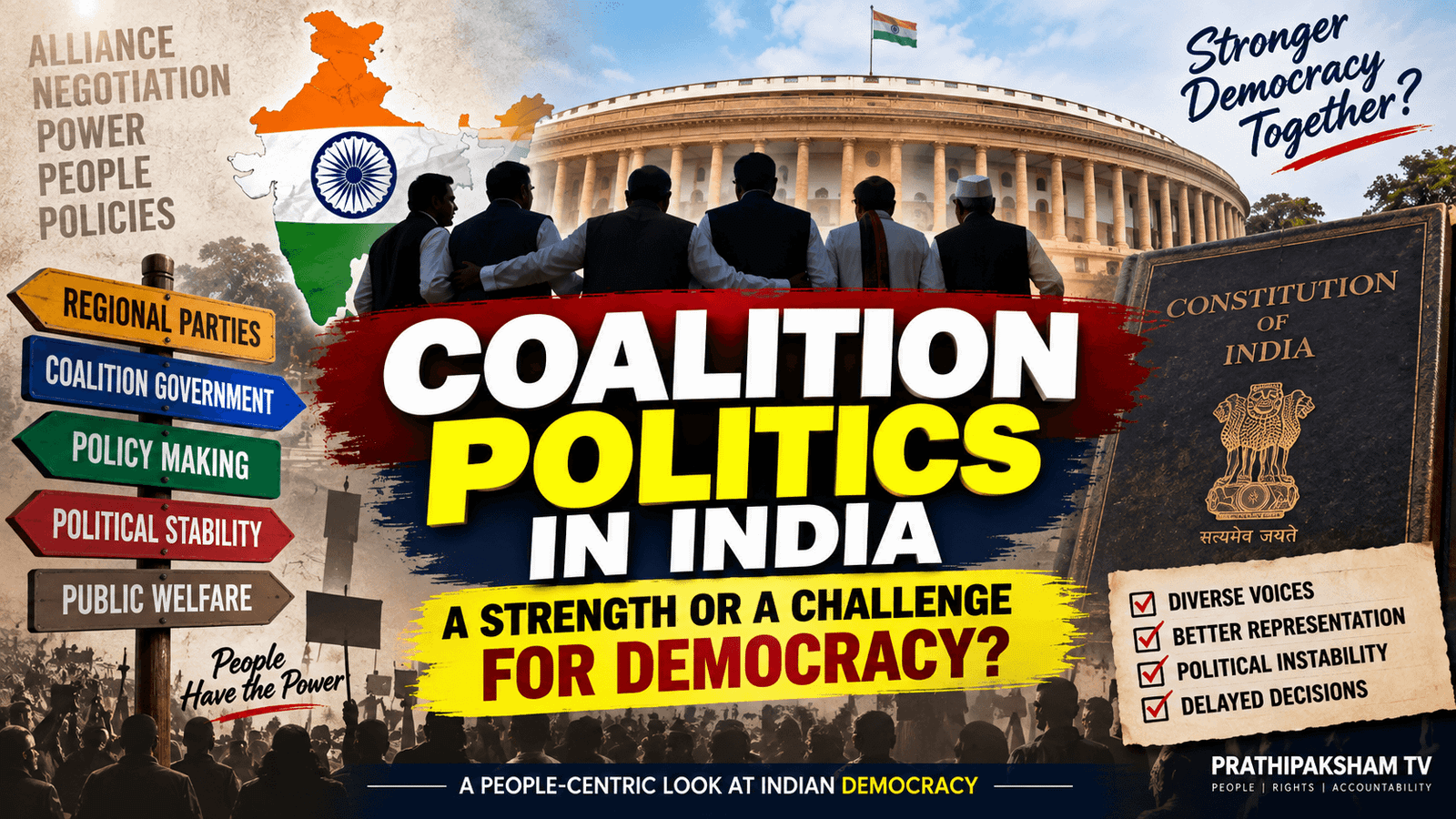
Coalition politics is not a new development in India. In the early years after Independence, the Congress party dominated Indian politics. However, as regional parties grew stronger, coalition governments gradually became an important part of Indian democracy.
Coalition governments bring together different political parties, communities and regional interests. This can help ensure that a wider range of voices is represented in the decision-making process. Unlike a government with a clear majority, a coalition often has to consult its partners before taking major decisions. This process can encourage discussion, compromise and accountability.
At the same time, coalition politics has its own challenges. Political parties may focus more on protecting their positions or satisfying their supporters than on broader public interests. Differences between coalition partners can delay decisions, weaken policy implementation and create uncertainty in governance.
In some situations, the withdrawal of support by an alliance partner has led to the collapse of a government. Such developments can affect political stability and shift the government’s attention away from development and public welfare.
Coalition politics therefore has both strengths and weaknesses. It can provide representation to diverse groups, but disagreements among partners can also affect the functioning of government. In a country as diverse as India, balancing regional demands with national priorities remains a major challenge.
Coalitions should not be viewed as a permanent answer to every political problem. They are arrangements formed through electoral results and political negotiations. Their success depends on transparency, mutual responsibility and the ability of leaders to give importance to public issues.
Democracy becomes stronger when political parties focus on people’s needs rather than narrow political calculations. Whether a government is formed by one party or several parties, its real responsibility is to protect democratic values, ensure accountability and work for the welfare of citizens.
